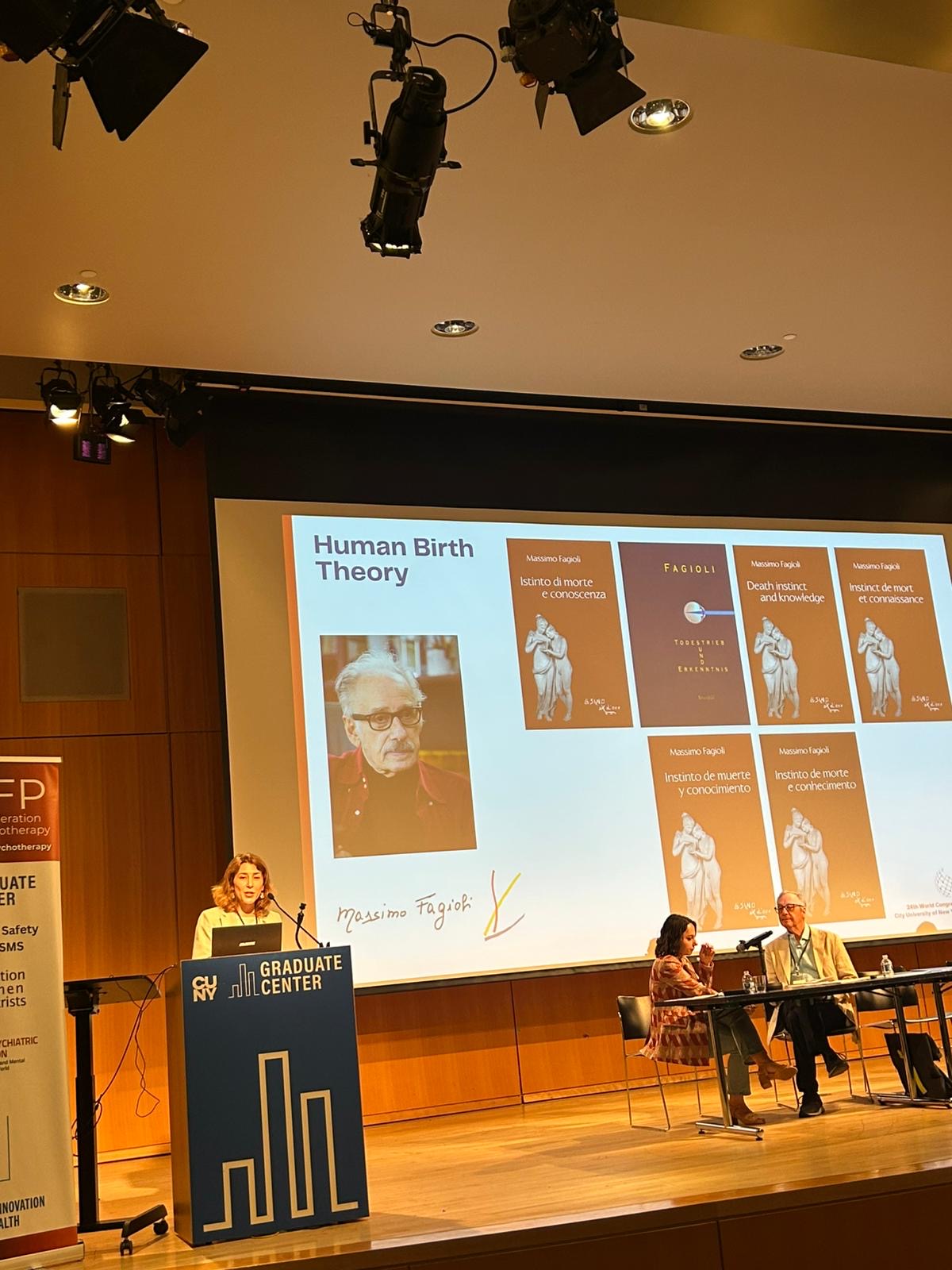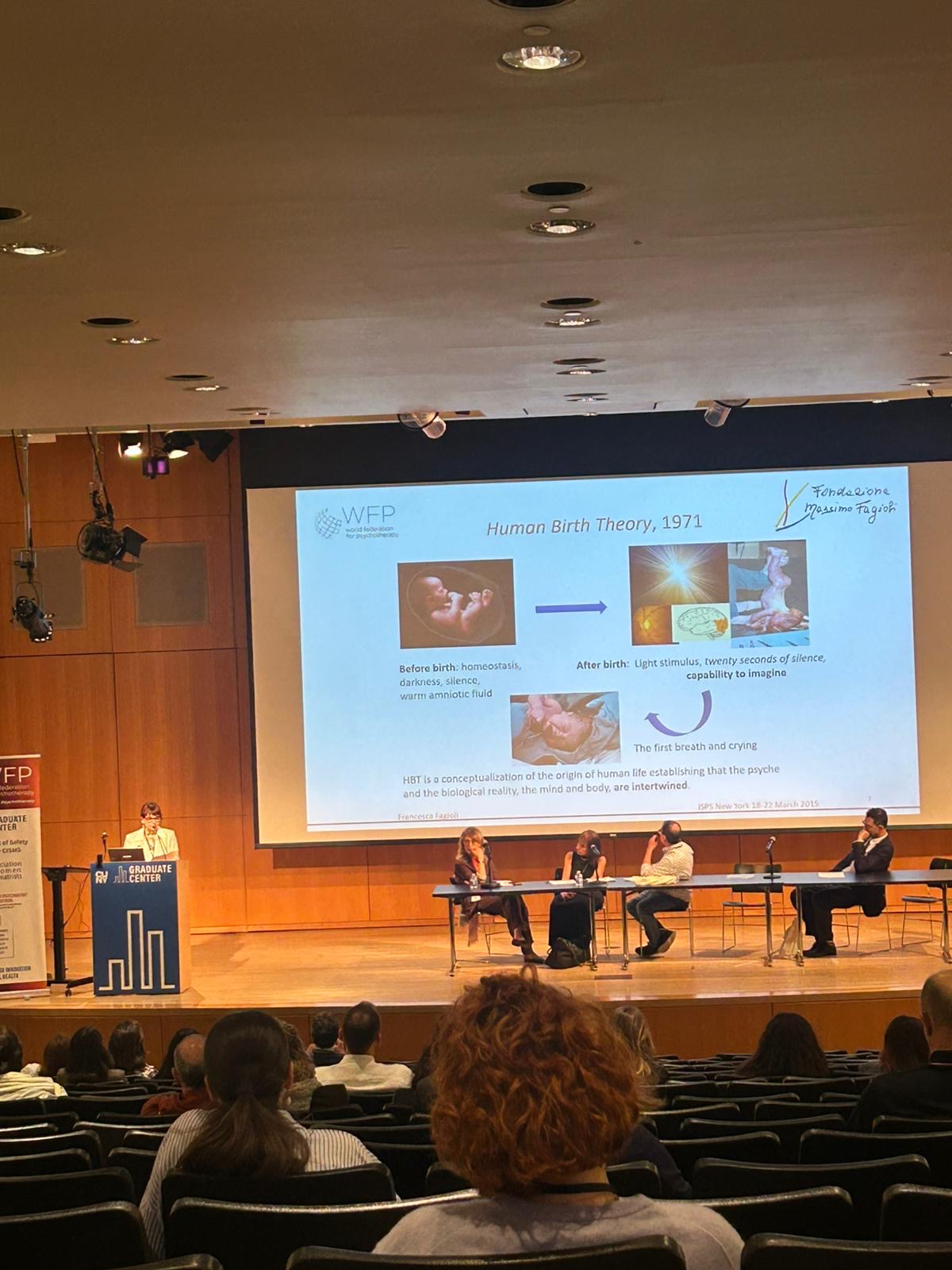
La teoria della nascita nel mondo
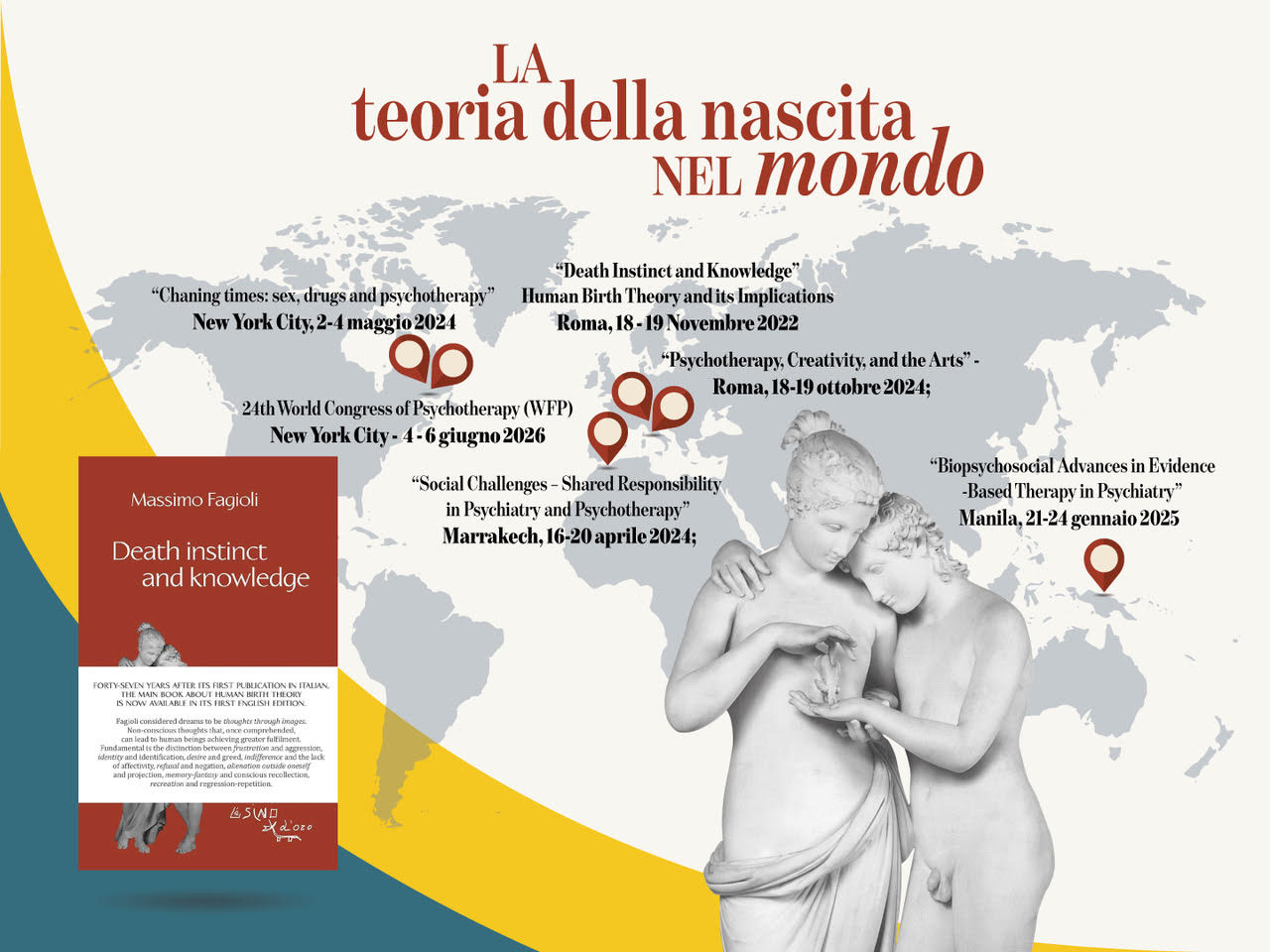
I convegni raccolti in questa sezione documentano il lavoro di ricerca e approfondimento sviluppato intorno alla teoria della nascita umana, formulata da Massimo Fagioli.
Le registrazioni riportano i momenti di confronto e scambio tra i partecipanti, offrendo una panoramica articolata degli studi, delle prospettive teoriche e degli sviluppi più recenti, permettendo di approfondire il tema in modo chiaro anche a chi si avvicina per la prima volta a questo ambito di studio.
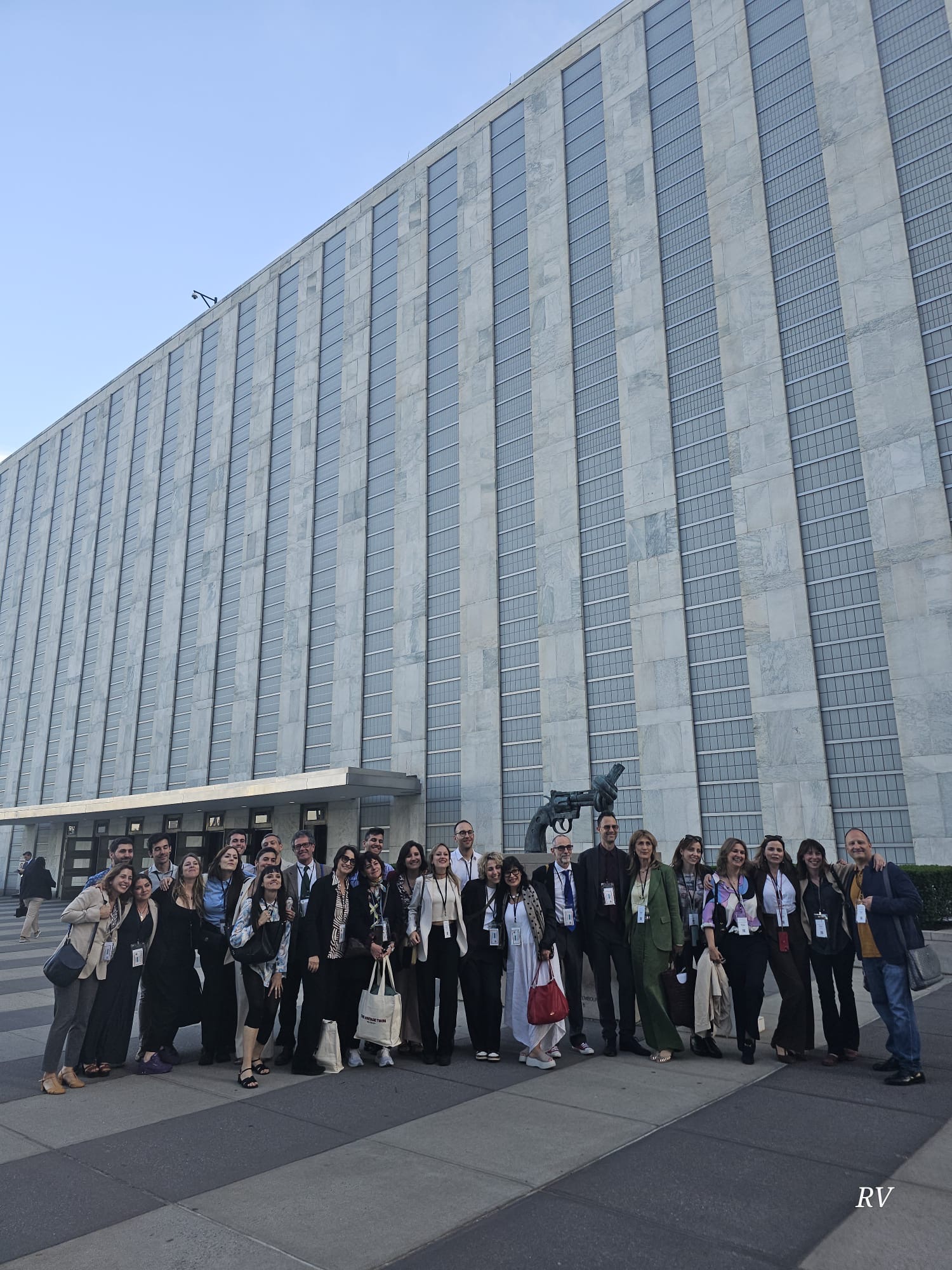
La raccolta comprende sia i convegni organizzati dalla Fondazione a Roma, che hanno visto un’importante partecipazione di relatori provenienti da diversi paesi esteri, sia i congressi internazionali, ai quali i soci della Fondazione hanno preso parte con contributi di ricerca presentati a New York, Manila e Marrakesh. Ogni convegno riporta l’elenco dei relatori e i titoli dei paper presentati.
2026
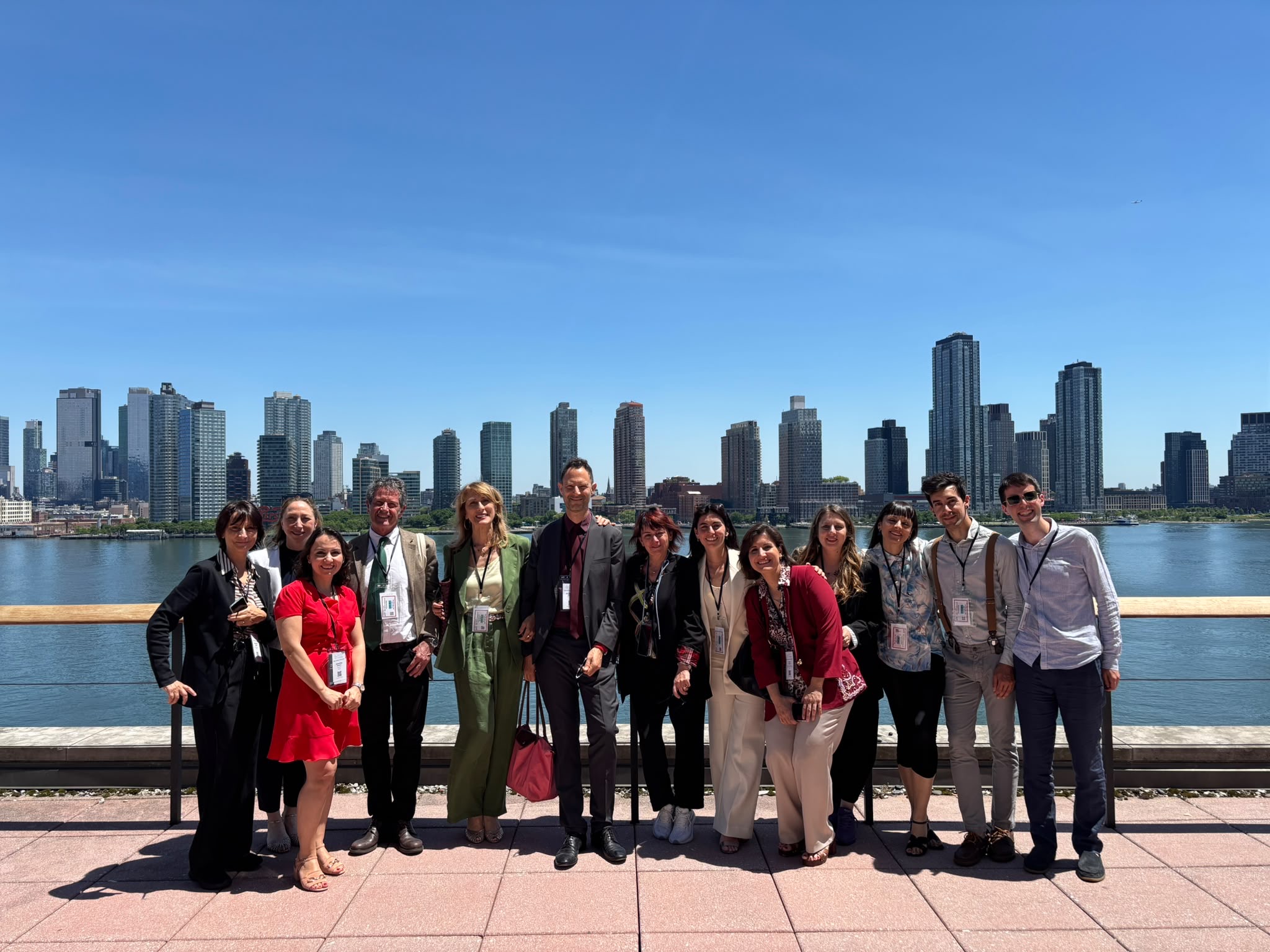
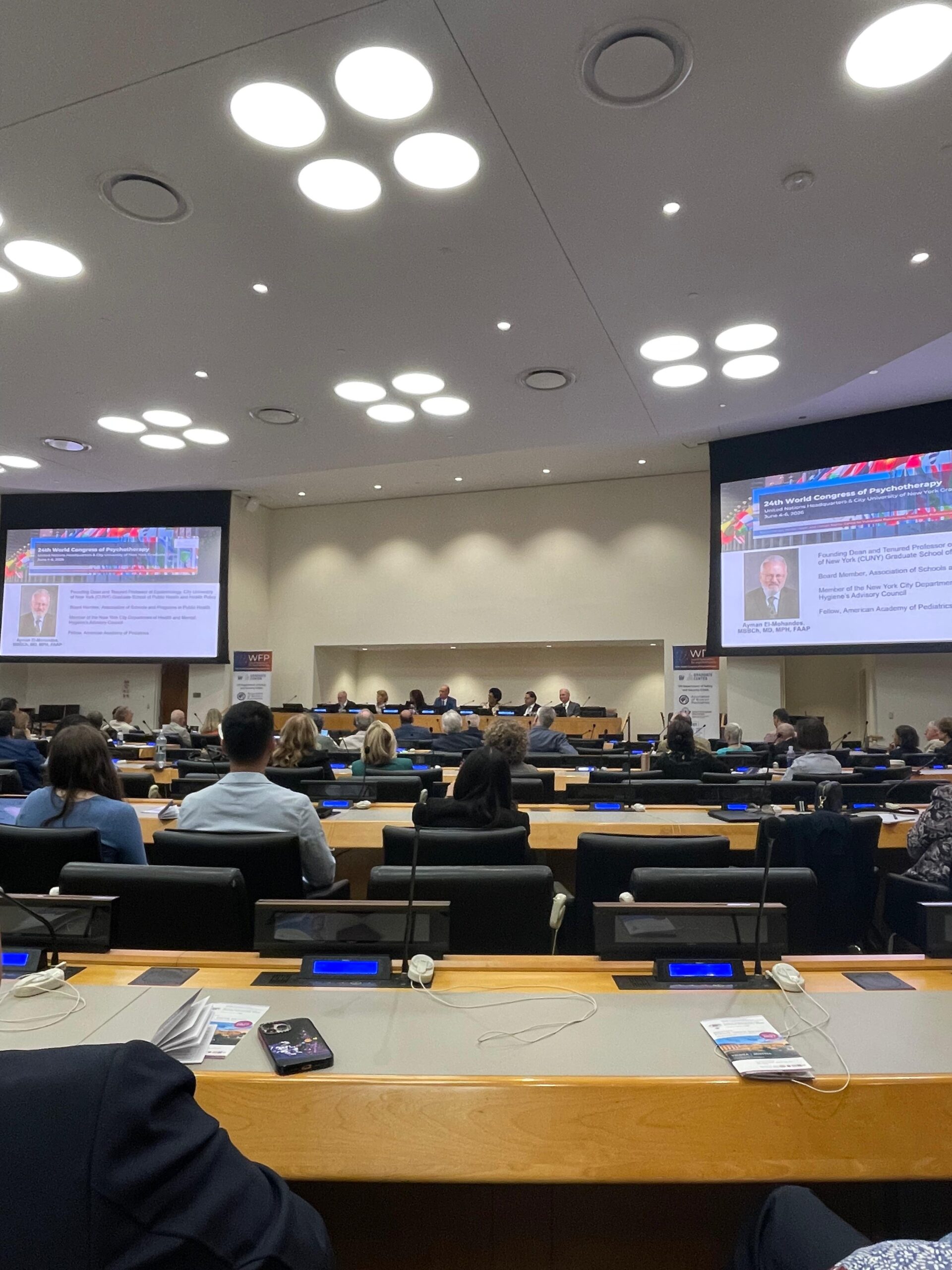
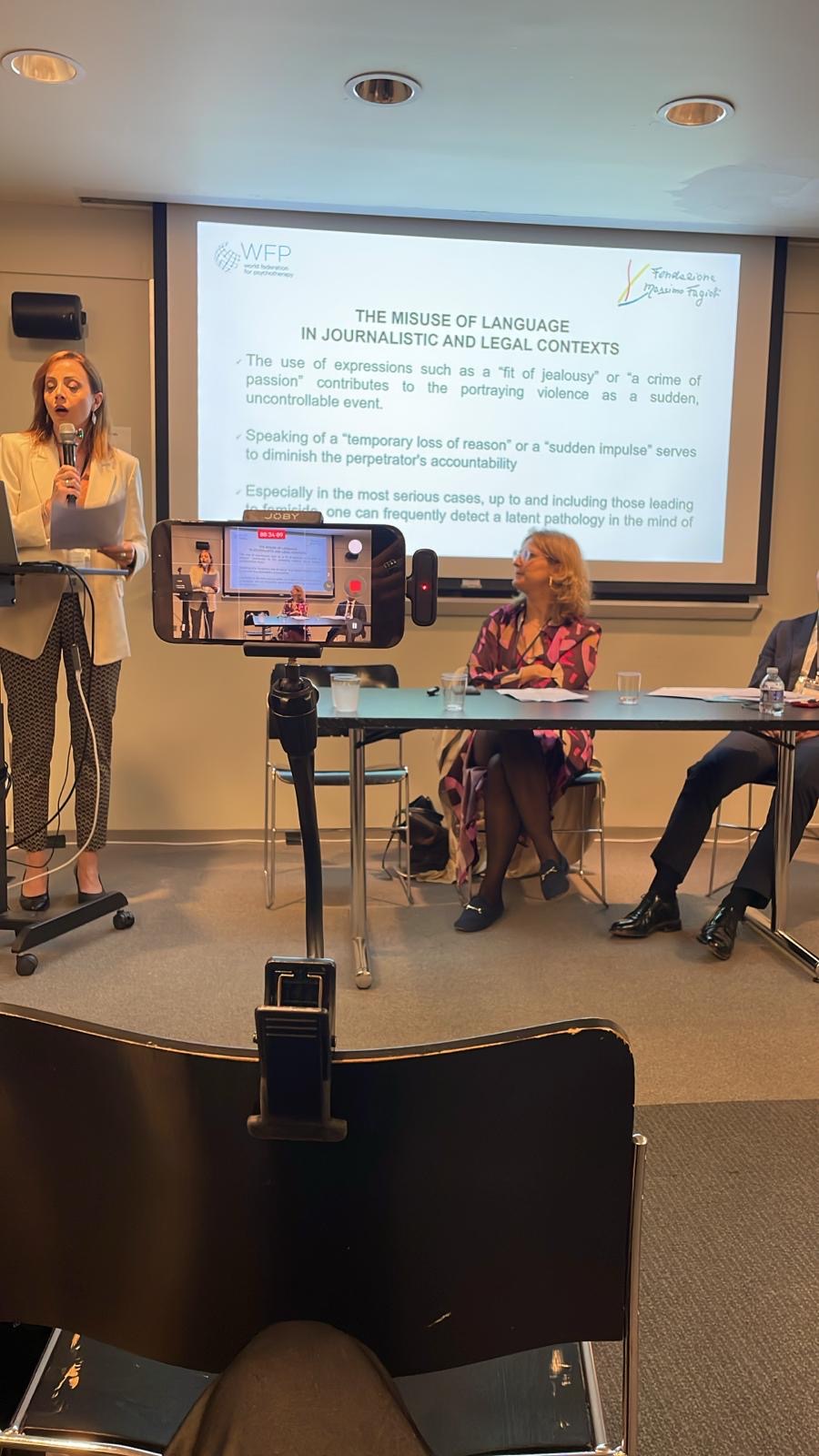
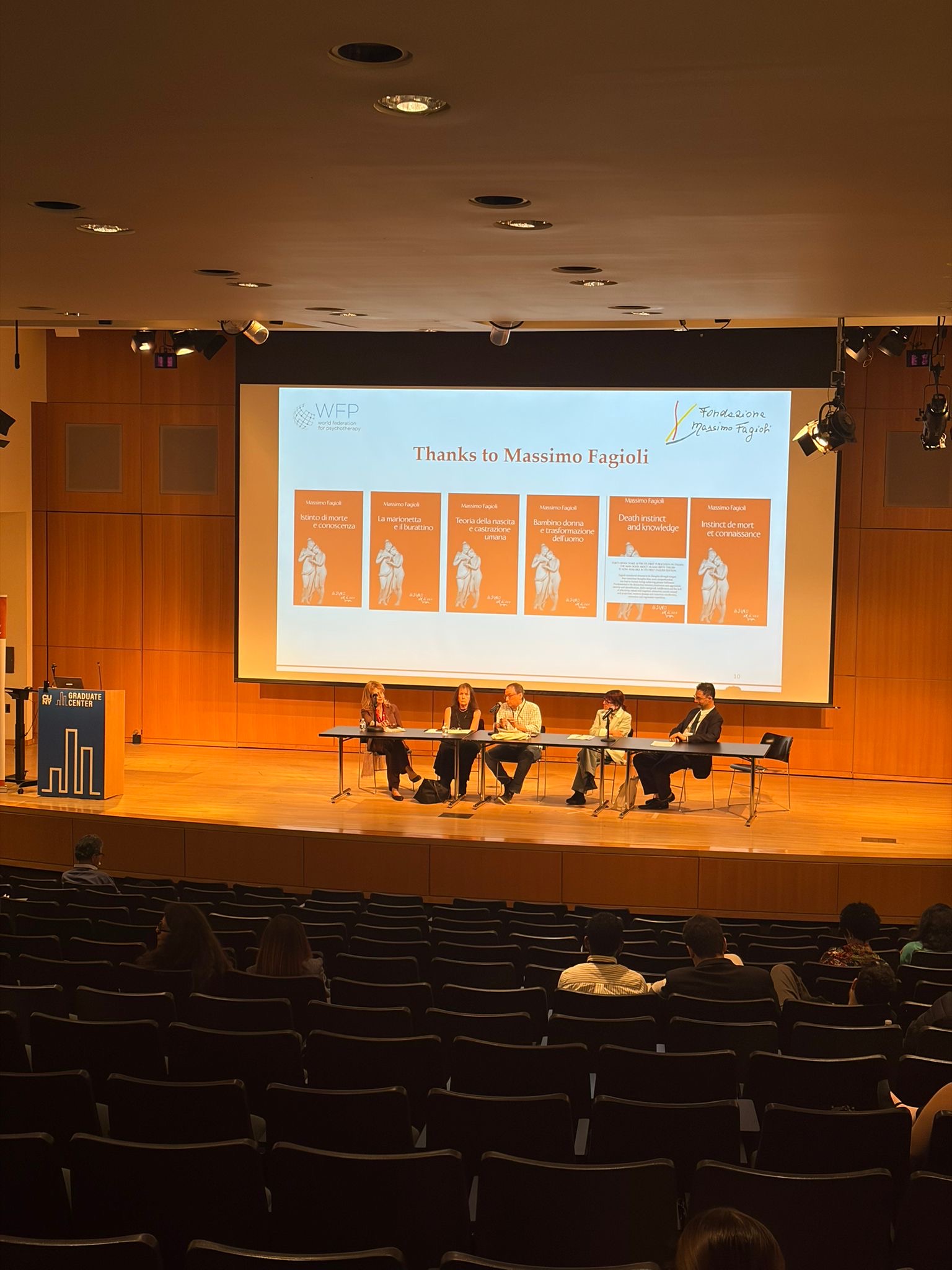
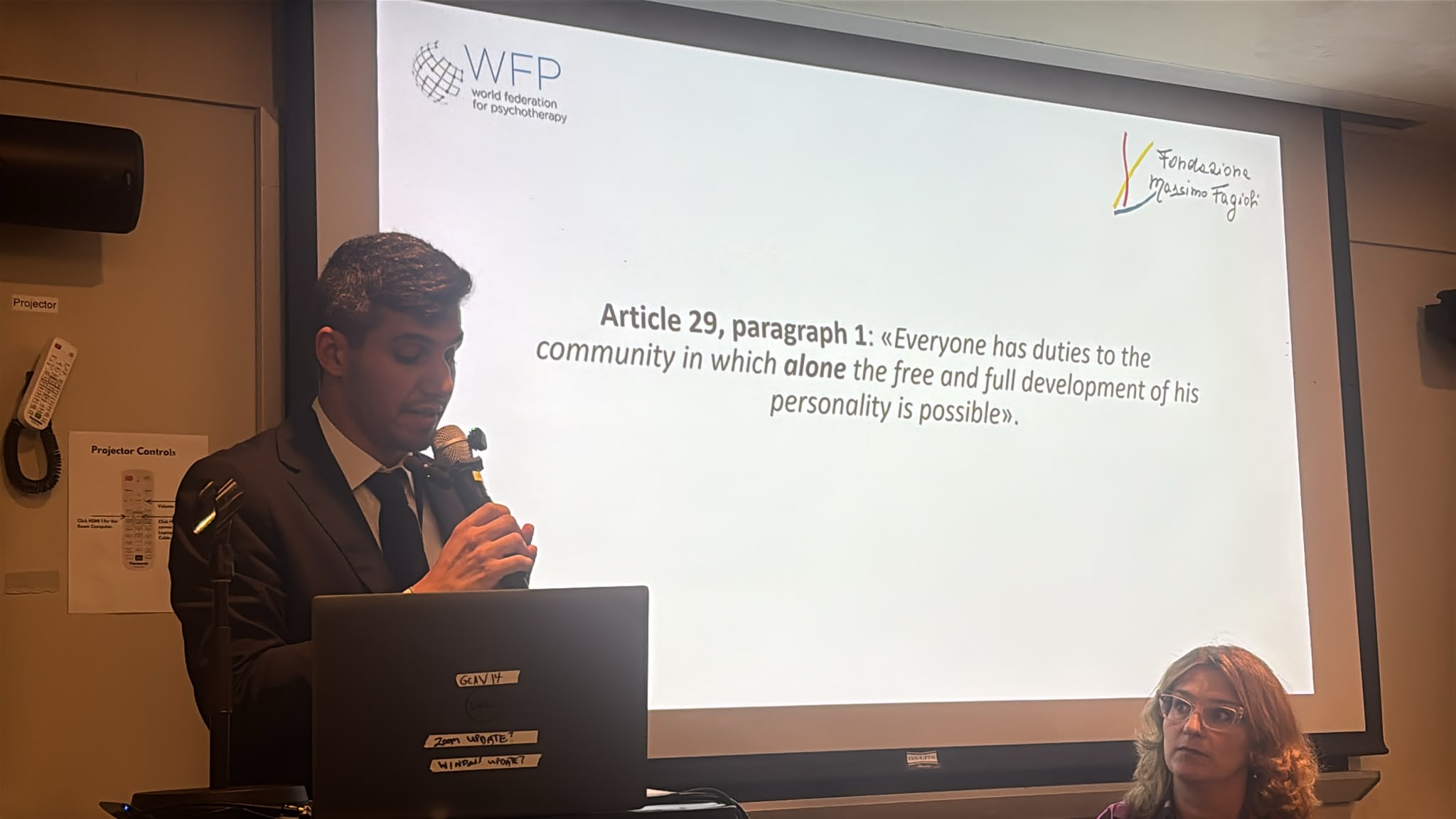
New York, 4-6 giugno 2026
24th World Congress of Psychotherapy
Contributi sulla teoria della nascita
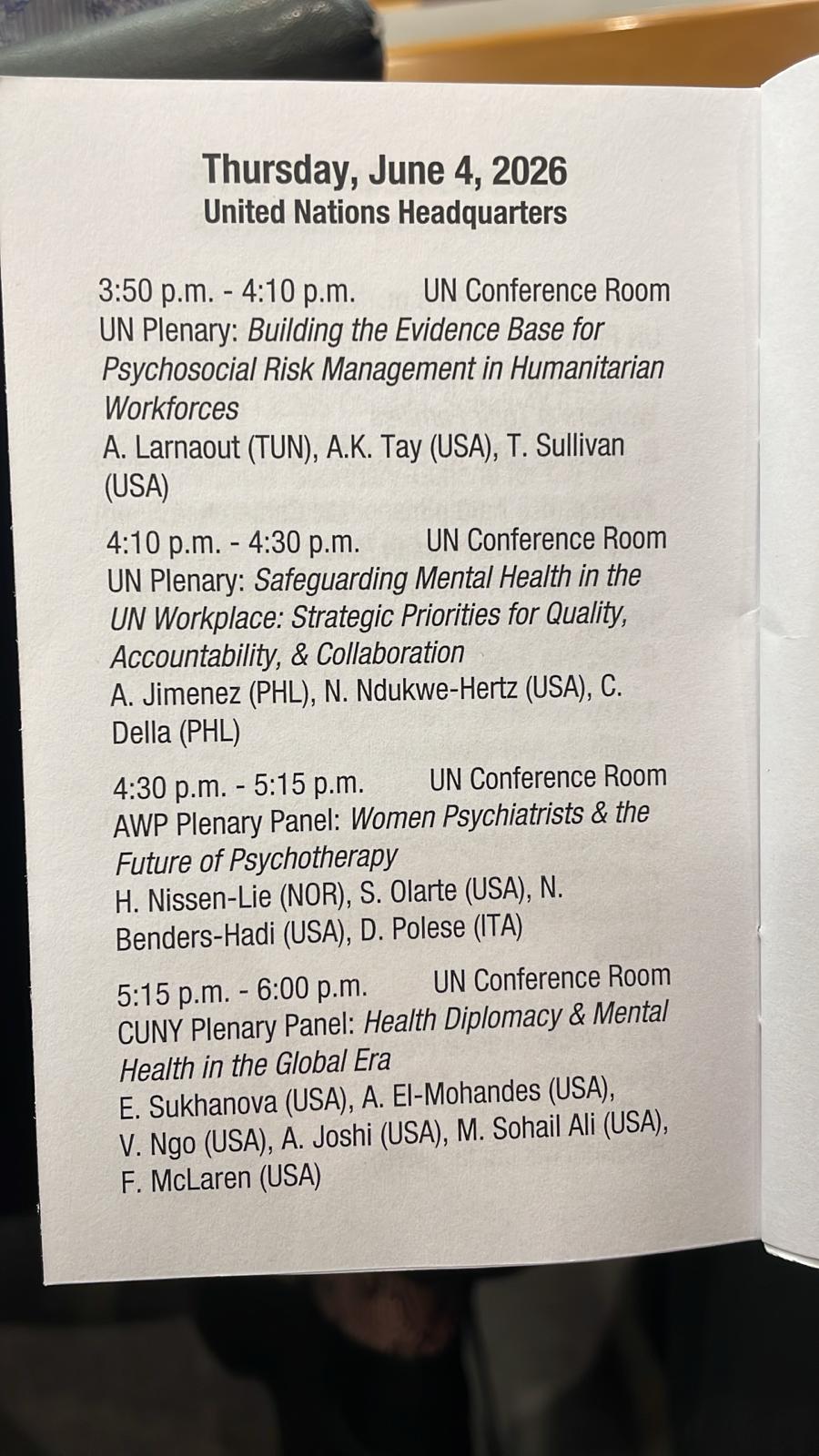
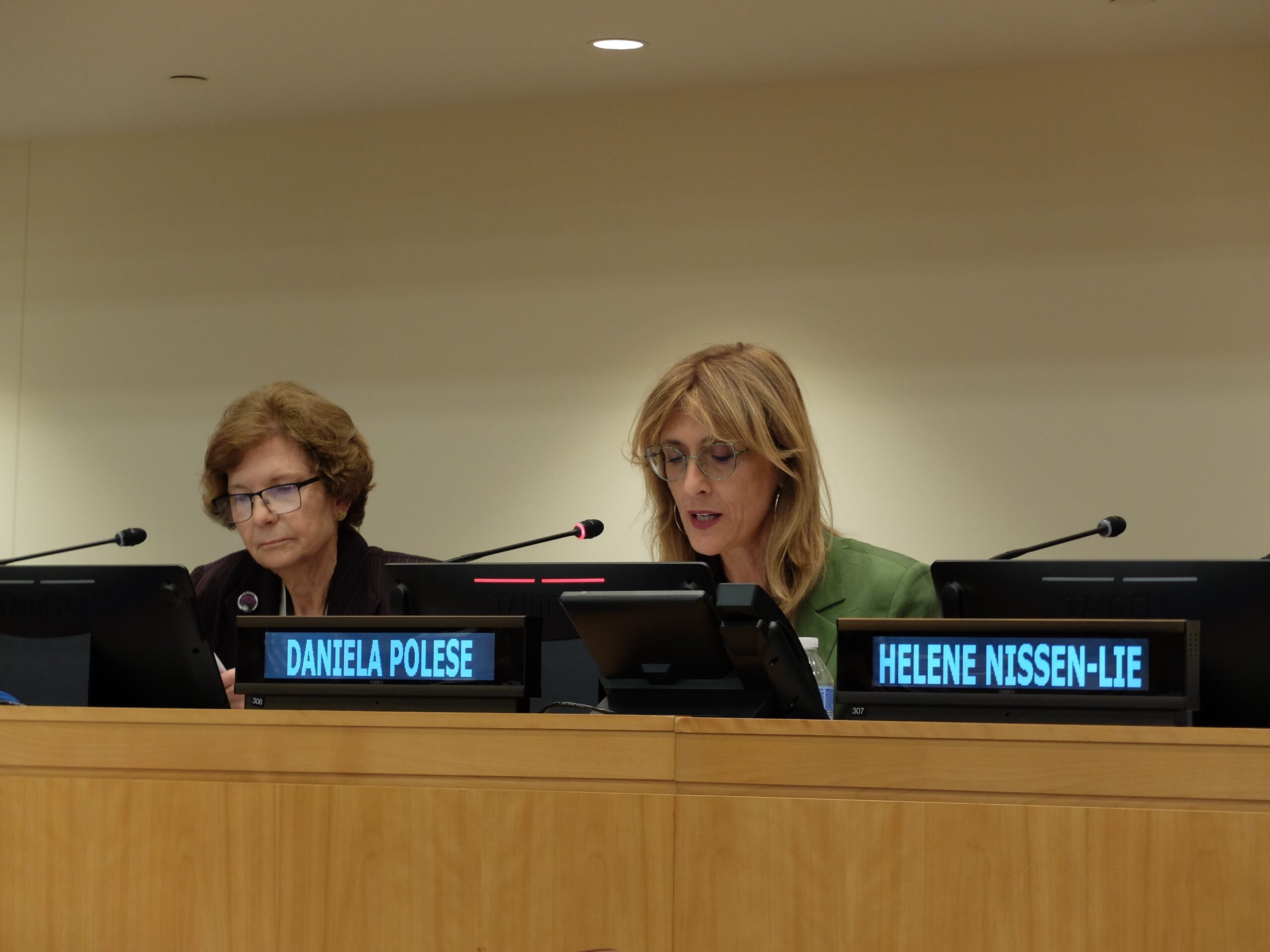
- Giovedì 4 giugno ore 4.30 – 5.15 pm: AWP Plenary Panel Women Psychiatrists and the Future of Psychotherapy
Helene Nissen-Lie, Prof Dr Chair
Silvia Olarte, MD Participant
Nikole Benders-Hadi, MD Participant
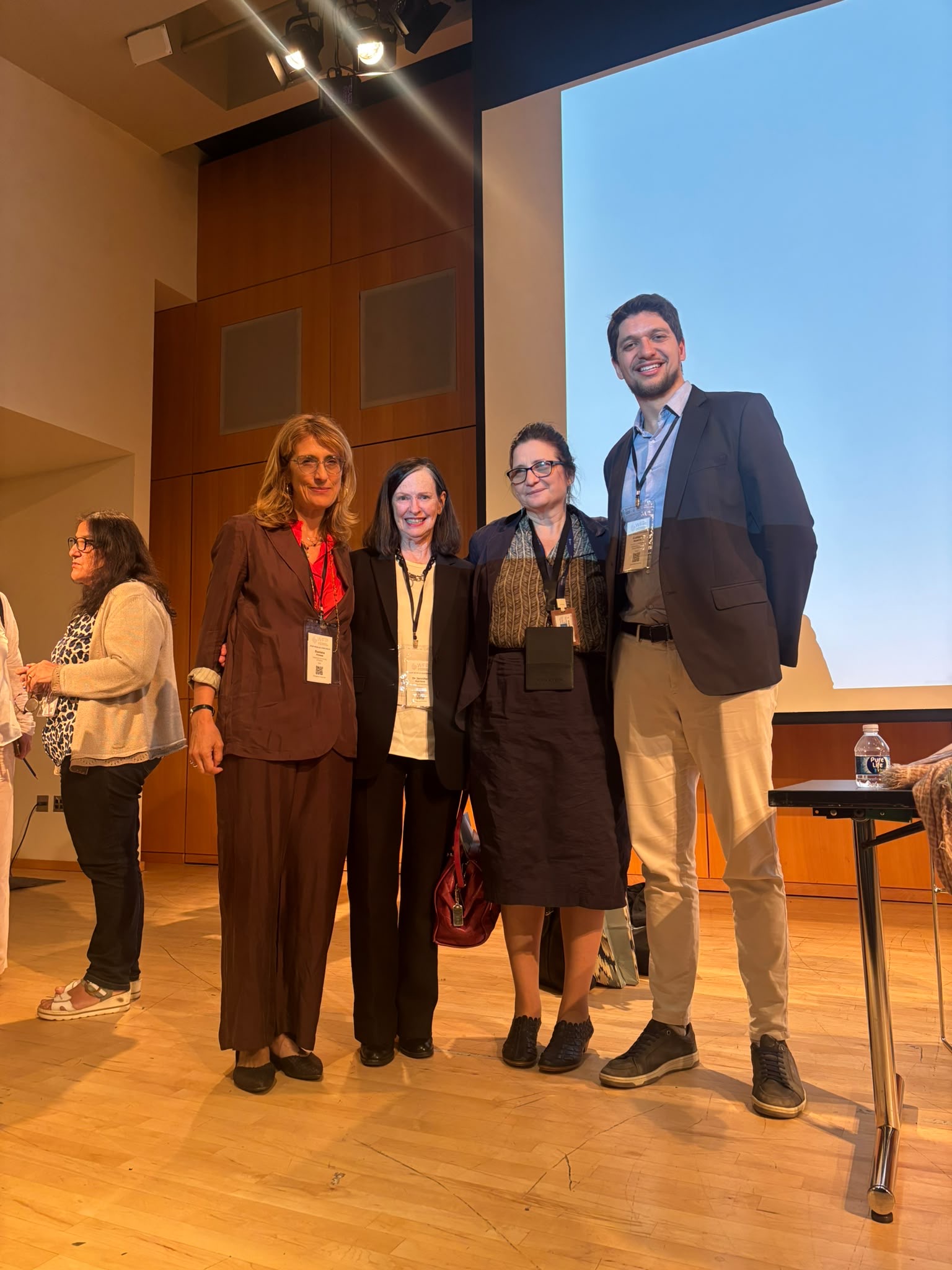
Daniela Polese, MD Co-chair - Venerdì 5 giugno ore 2.40 – 4.00 pm: Invited Symposium CREATIVITY, Art and Psychotherapy – A Symposium of the Wpa Section for Art & Psychiatry
Ekaterina Sukhanova, PhD Chair
Jennifer Harrison, BA, BSc, FRCP, FRCPsych Co-chair
Jennifer Harrison, BA, BSc, FRCP, FRCPsych Speaker
Gustavo Bezerra, MD Speaker
Michael Feldman, MD Speaker
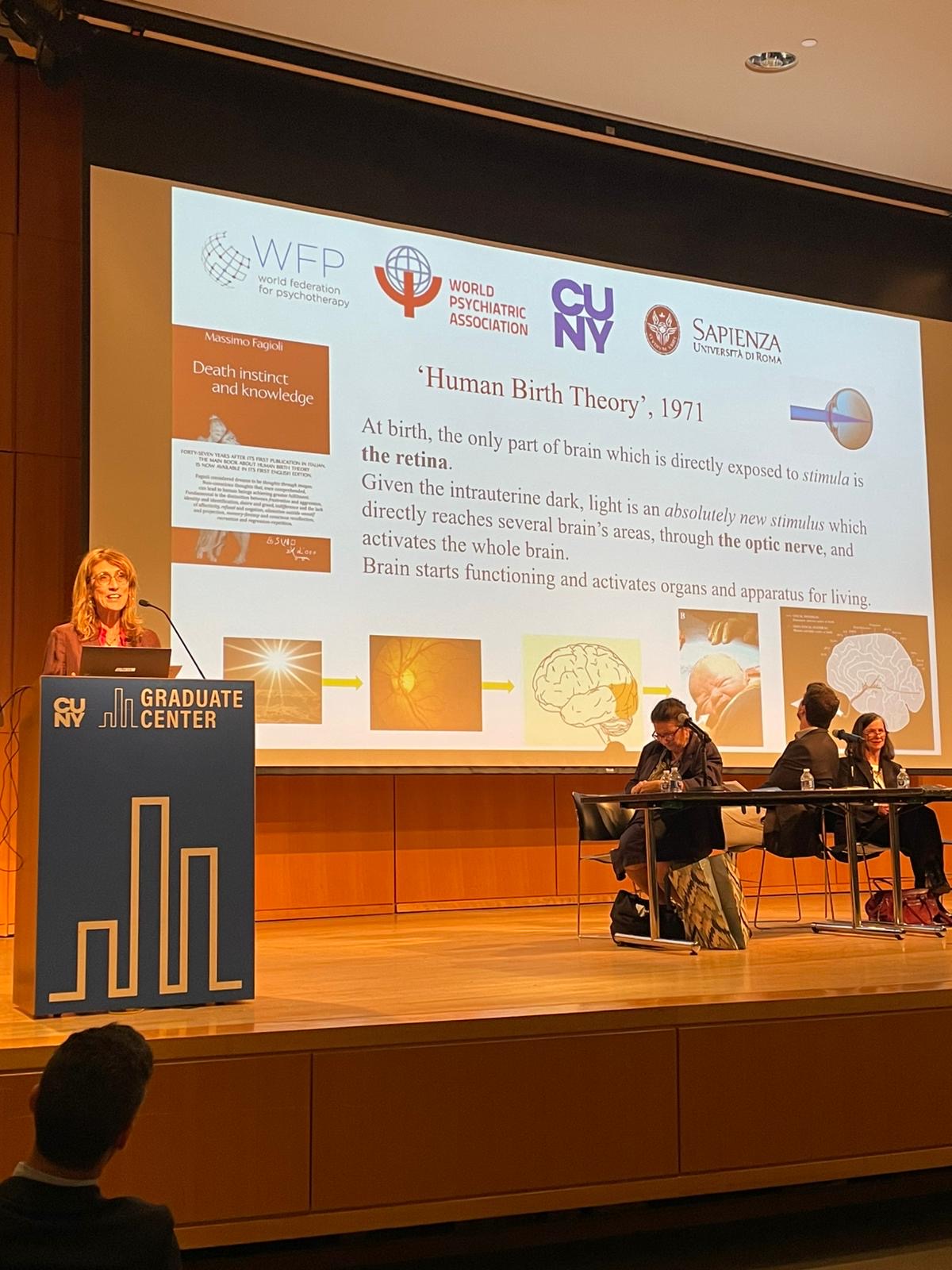
Daniela Polese, MD Speaker
Ekaterina Sukhanova, PhD Speaker - Venerdì 5 giugno ore 4.10 – 5.40 pm: Symposium Mental Health on Campus in the Age of AI
Michelle Riba, MD Chair
Daniela Polese, MD Co-chair
Alessandro Mazzetta, PhD Speaker
Francesca Fagioli, PhD, Prof Dr Speaker
Victor Schwartz, MD Speaker
Michelle Riba, MD Speaker - Venerdì 5 giugno ore 4.10 – 5.40 pm: Paper session Psychotherapy and Human Development-Motherhood and Early Years
Co-Chairs: Monina Cruz & Ekin Ozbey Duygu
Hamida Ouled Slimane, Prof Dr Presenter: Neuroscience and New Research Perspectives on Violence as a Risk Factor in Pregnancy
Shiri Hadari, PhD Student Presenter: Parental Alienation as Discourse: Words, Silences, and Performatives Enact Rupture or Solidarity, Revealing New Insights for Psychoanalysis and Therapeutic Practice
Brianna Baker, PhD Presenter: Toward a Psychological Framework of Black Matrescence: Centering Mother–Daughter Bonds
Elena Savina, DPhil Presenter: Working With Adolescents’ Emotions From the Emotional Competence Framework
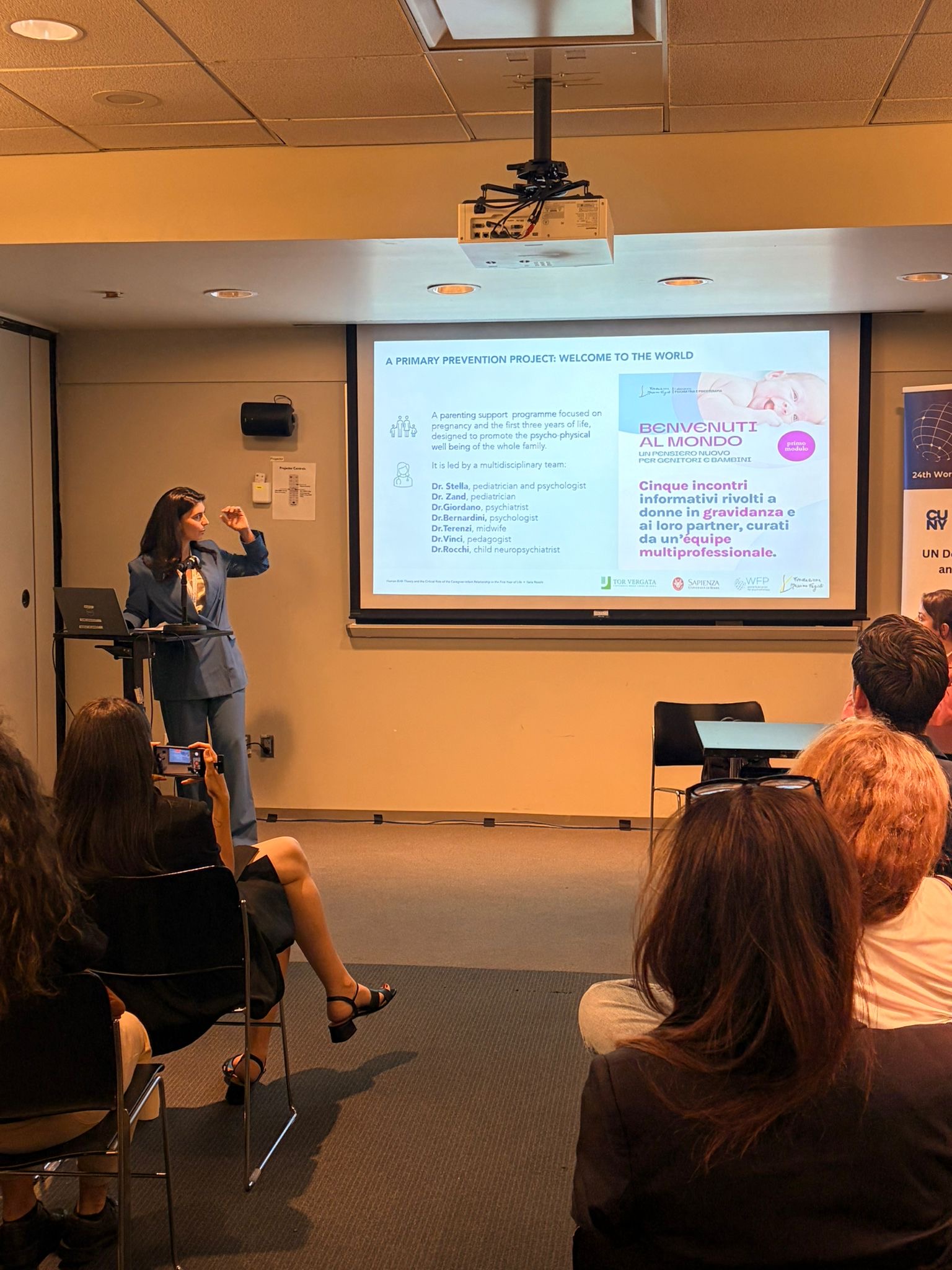
Ilaria Rocchi, MD Presenter: Human Birth Theory and the Critical Role of the Caregiver-Infant Relationship in the First Year: Promoting Psycho-Physical Health in Infancy as an Early Preventive Strategy for Mental Health - Venerdì 5 giugno ore 5.50 – 7.20 pm: Paper Session Psychotherapy, Suicide and Violence
Co-Chairs: Amine Larnaout & Iizax Ramirez Espinosa
Rachel Gibbons, BSc, Dr Med Sc, FRCPsych Presenter: Someone is to Blame: The Impact of Suicide on the Mind of the Bereaved (Including Clinicians)
Raffaele Vanacore, MD Presenter: Psychotherapy in an Age of violence: Gaza as a Mirror
Irene Calesini, MD Presenter: Unresolved Crisis at the Stage of the Vision of the Different Human Being and Psychological Violence
Heather Phillips, MA Presenter: Mental Health Coercion Among Survivors of Intimate Partner Violence
Iizax G. Ramirez-Espinosa, MD Presenter: What to Do to Survive a Client’s Suicide. Basic Skills to Make Your Own Postvention Protocol - Sabato 6 giugno 2026 ore 9.30 – 10.50 am: Paper Session Psychotherapy and Human Rights
Co-Chairs: François Ferrero & Amarilda Dhrami
Francesca Amerio, MSc Presenter: The Journey of the “Unrecognized Heroes” across the Central Mediterranean Route: A Multidisciplinary Study and a Psychological Perspective through the Lens of Massimo Fagioli
Chandini Anilkumar Sujatha, MA Presenter: Bridging the Silence: Making Mental Health Help More Accessible in Stigma-Dominant Communities
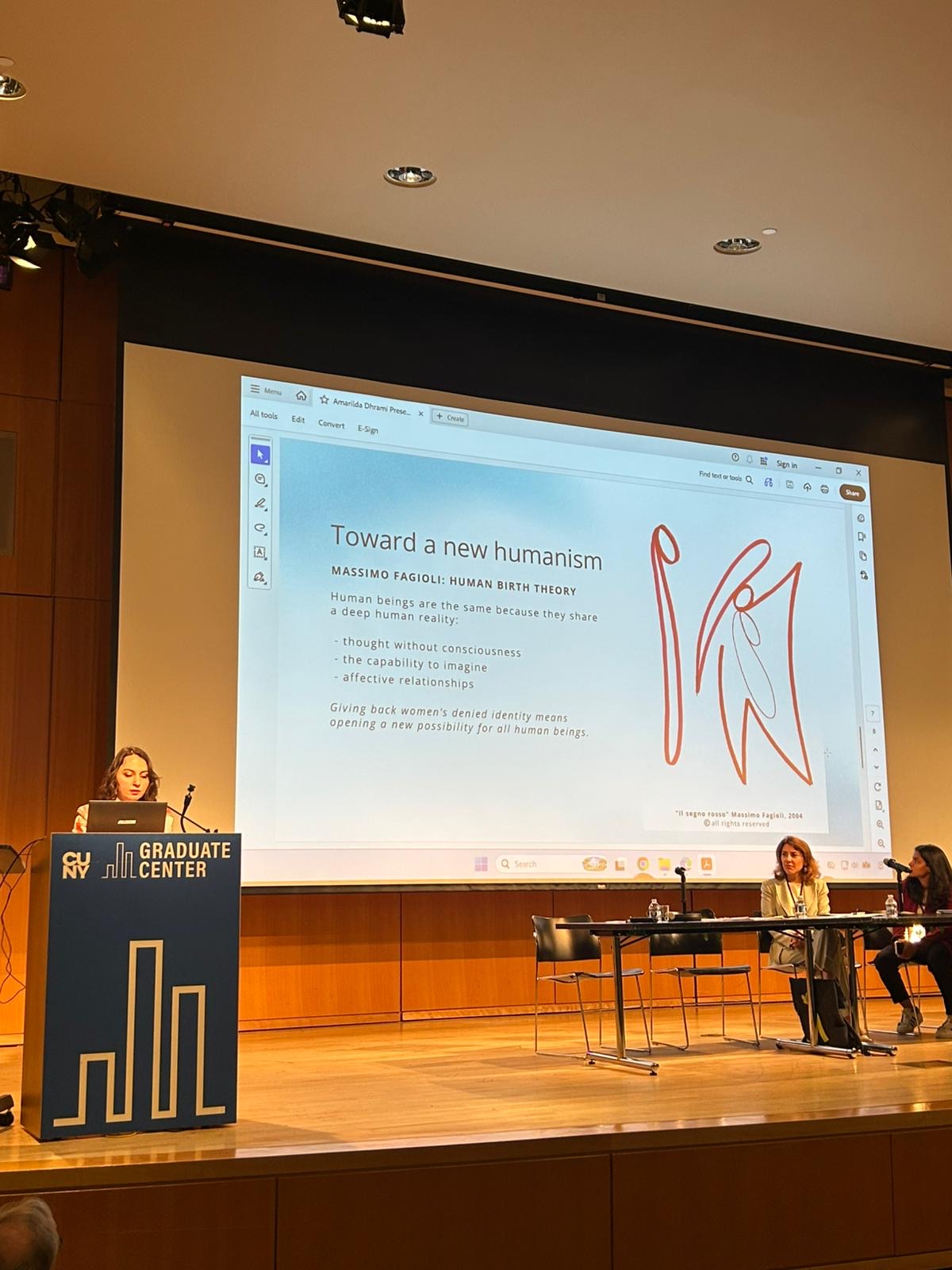
Amarilda Dhrami, MA Presenter: Psychotherapy, Mental Health and Human Rights
Sofia Anastasia Milioritsa, MA Presenter: Srebrenica Genocide Survivors: An Exploration of Night Dreams Involving Lost Loved Ones as an Expression of Personal Growth
Hakima Megherbi, Presenter: The Enforced Disappearances in a War Context: From Oblique Narration Towards Narrative Formation - Sabato 6 giugno 2026 ore 1.30 – 2.30 pm: Film Excerpt and Discussion From Silence to the Images: Drawing the Mind with Children (Directed by Bartolini/Baronio)
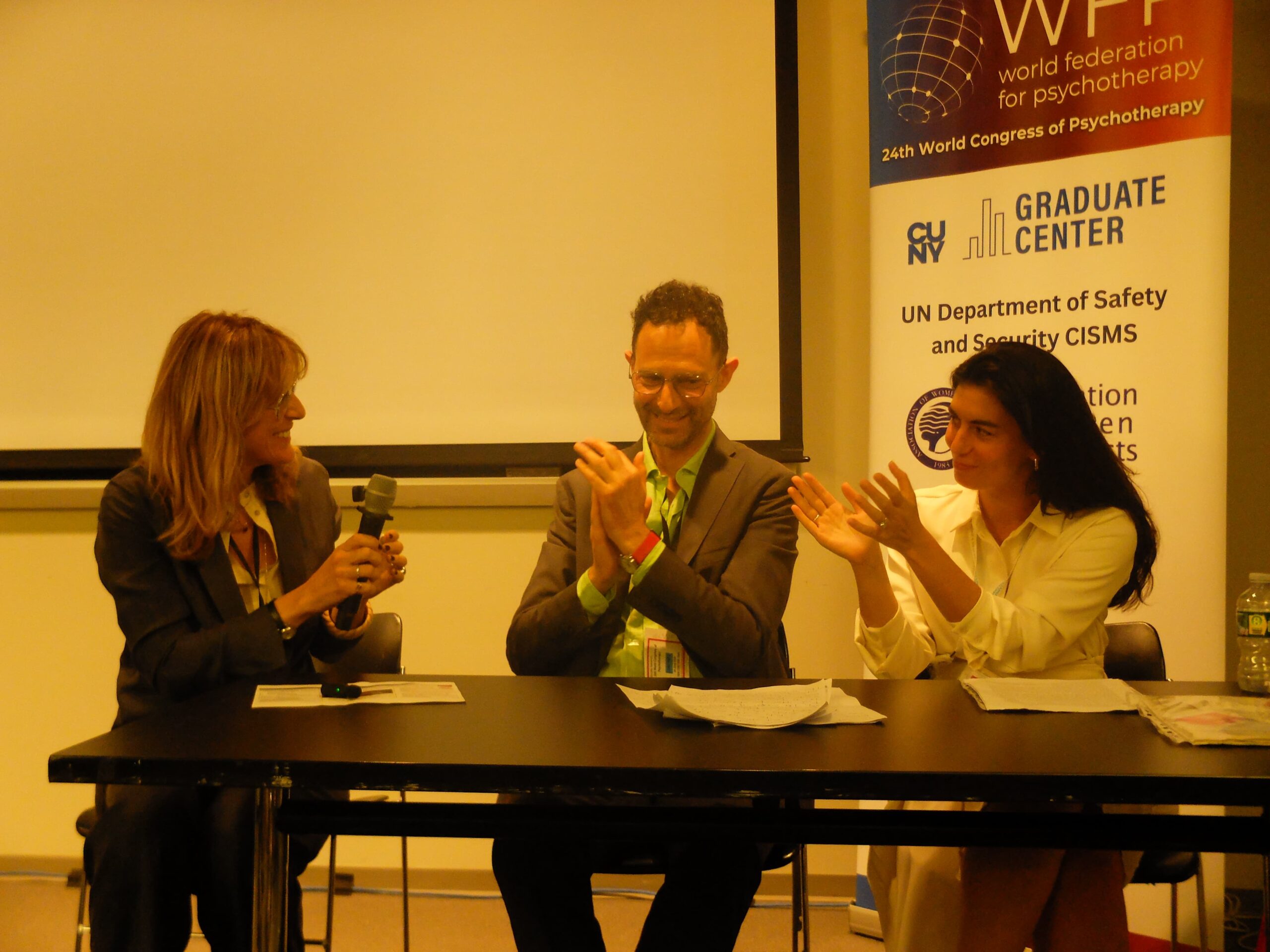
Daniela Polese, MD Chair
Ilaria Rocchi, MD Discussant
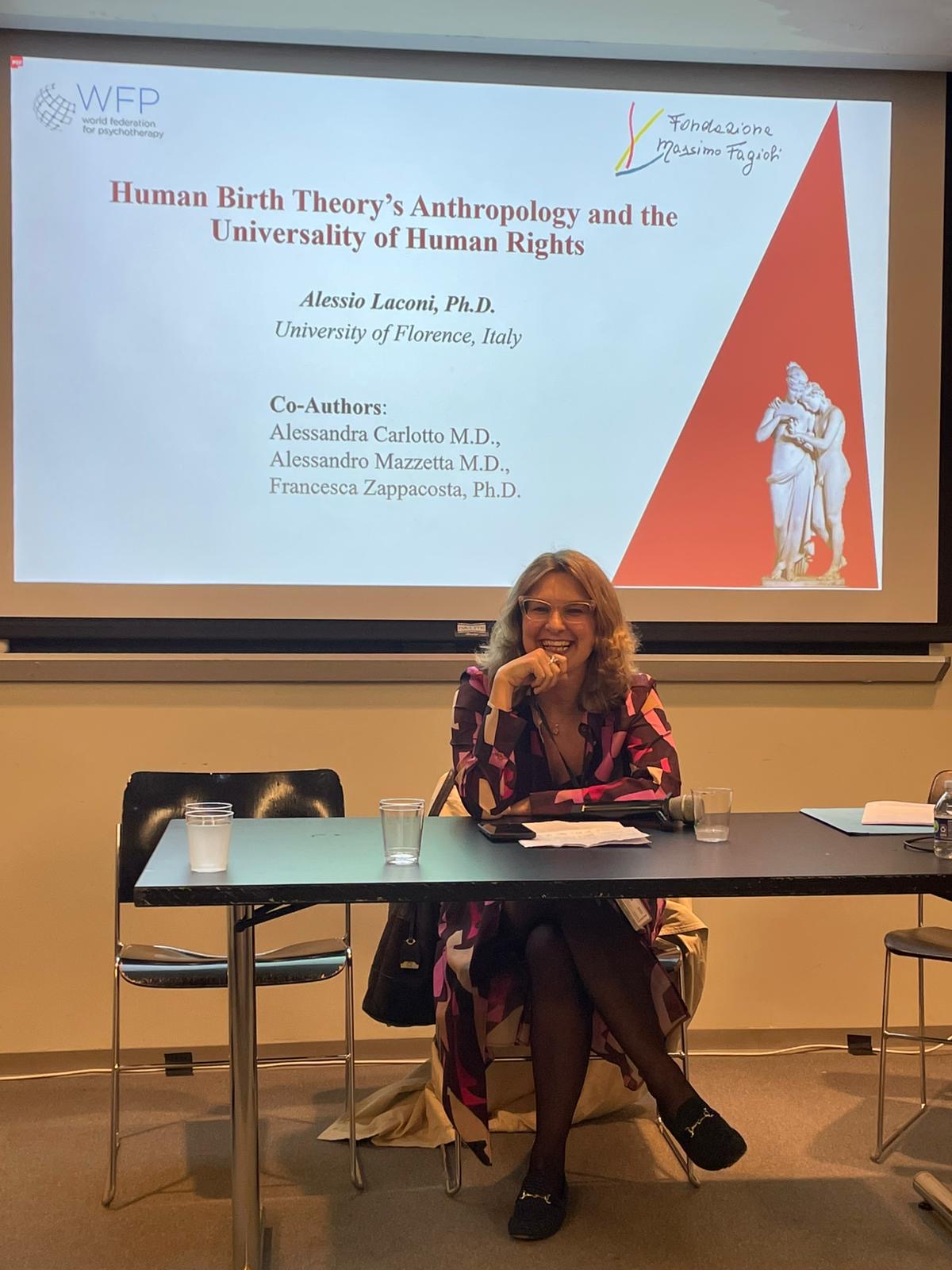
Alessandro Mazzetta, PhD Discussant - Sabato 6 giugno 2026 ore 2.40 – 4.00 pm: Symposium Group Psychotherapy and Human Rights: A Therapeutic Approach Based on Massimo Fagioli’s Human Birth Theory
Alessio Laconi, PhD Chair
Martina Moneglia, MD Co-chair
Alessio Laconi, PhD Speaker
Rossella Carnevali, MD Speaker
Viviana Censi, MD Speaker
Daniela Polese, MD Speaker
Poster sulla teoria della nascita
- Group Psychotherapy Treatment based on Human Birth Theory in an Adolescent at Ultra-High Risk (UHR) of Psychosis: A Case Report – Edoardo Ponzani, Daniela Polese
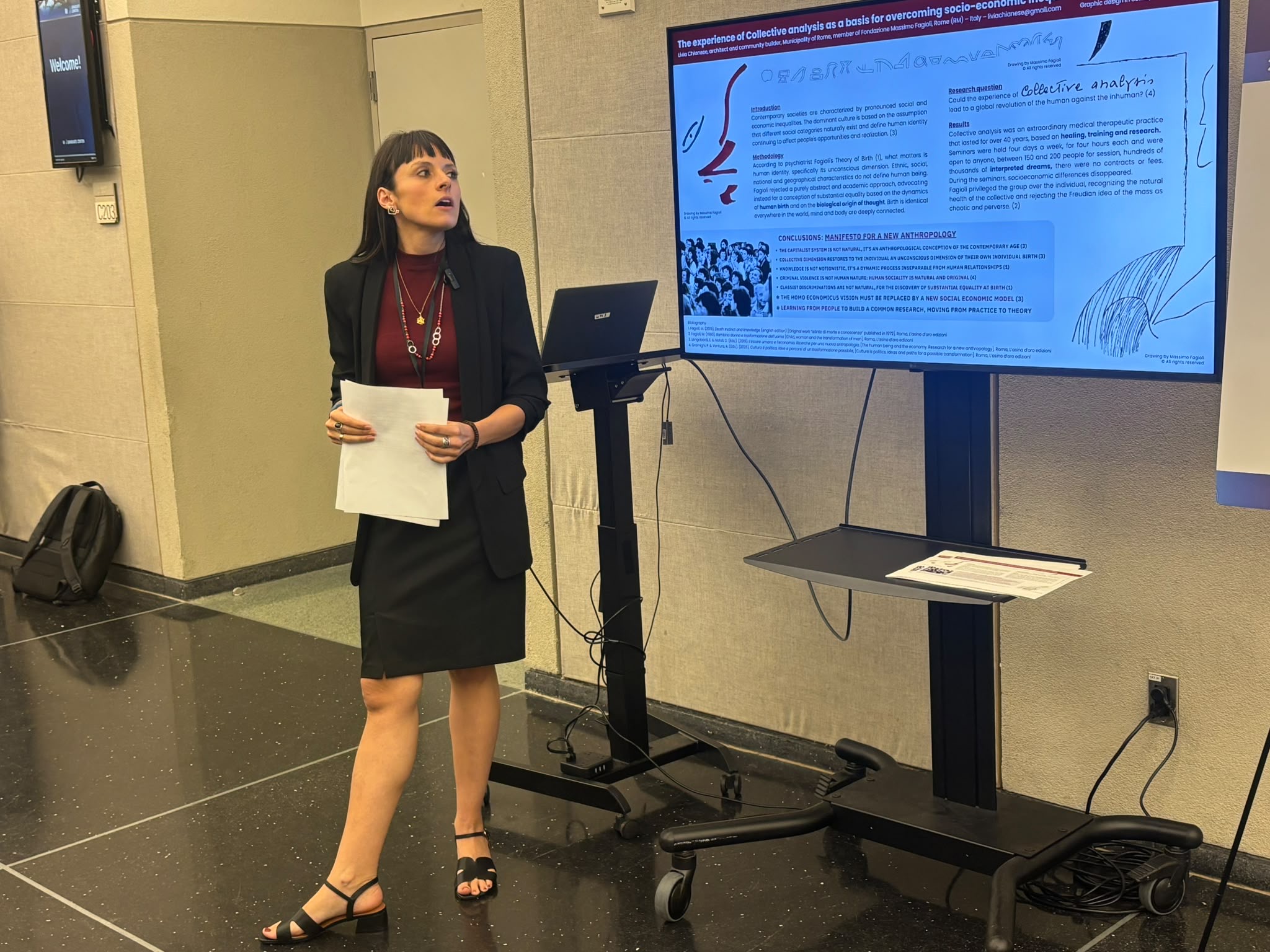
- The Experience of Collective Analysis as a Basis for Overcoming Socio-Economic Inequalities – Livia Chianese
- Mental Health from Birth: A Human Birth Theory Approach to Global Health – Eleonora Papa
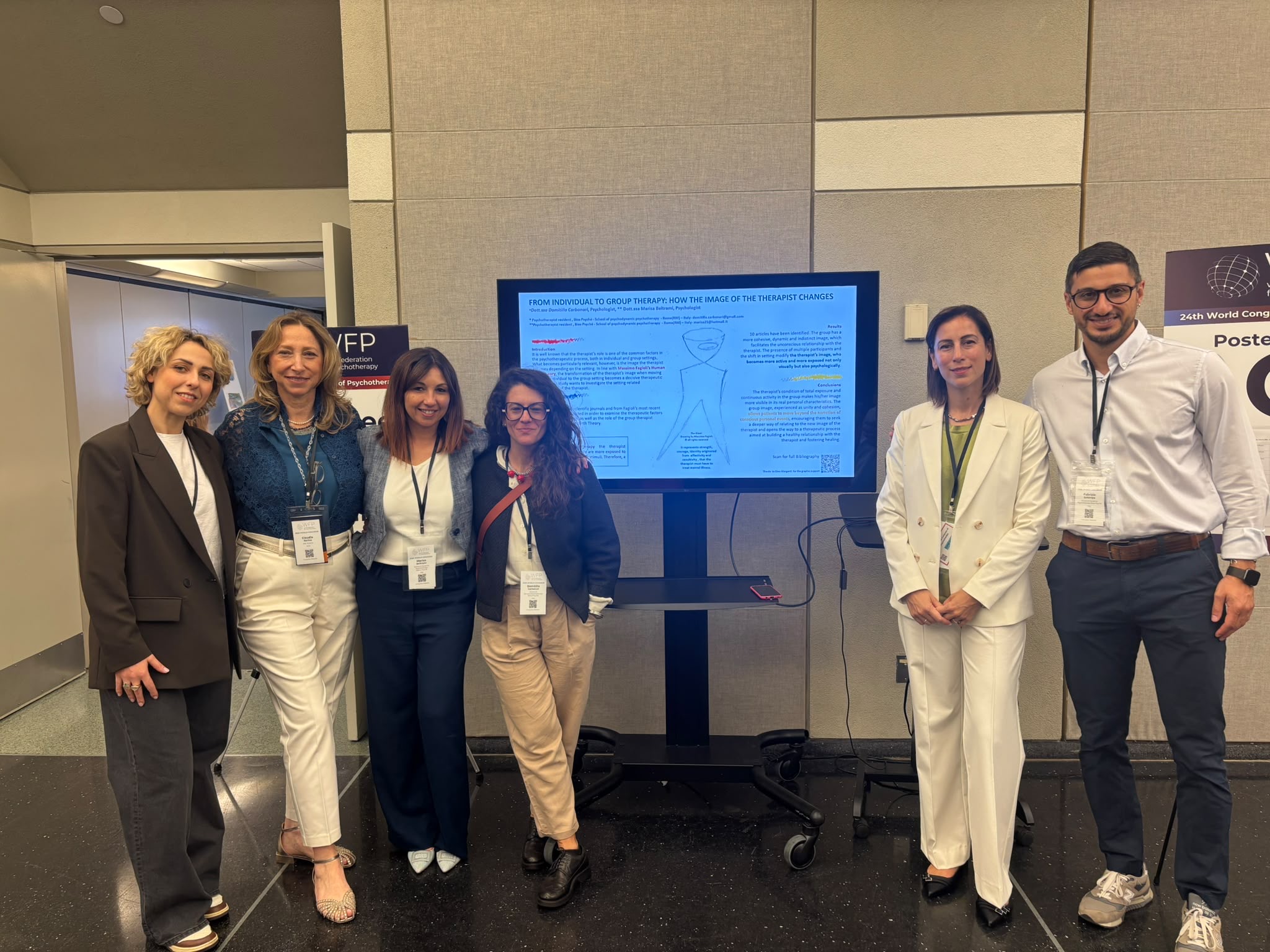
- From Individual to Group therapy: How the Image of the Therapist Changes – Domitilla Carbonari, Marisa Beltrami
- The Curability of Depression through the Therapeutic Relationship in Group Psychotherapy Based on the Human Birth Theory by Professor Massimo Fagioli – Francesca Pagliari
- Positive Communication for decreasing burnout in intensive‑care‑unit staff: A cluster Trial in Policlinico Umberto I, Rome – Tancredi Spiga, Francesco De Lazzaro, Francesco Alessandri
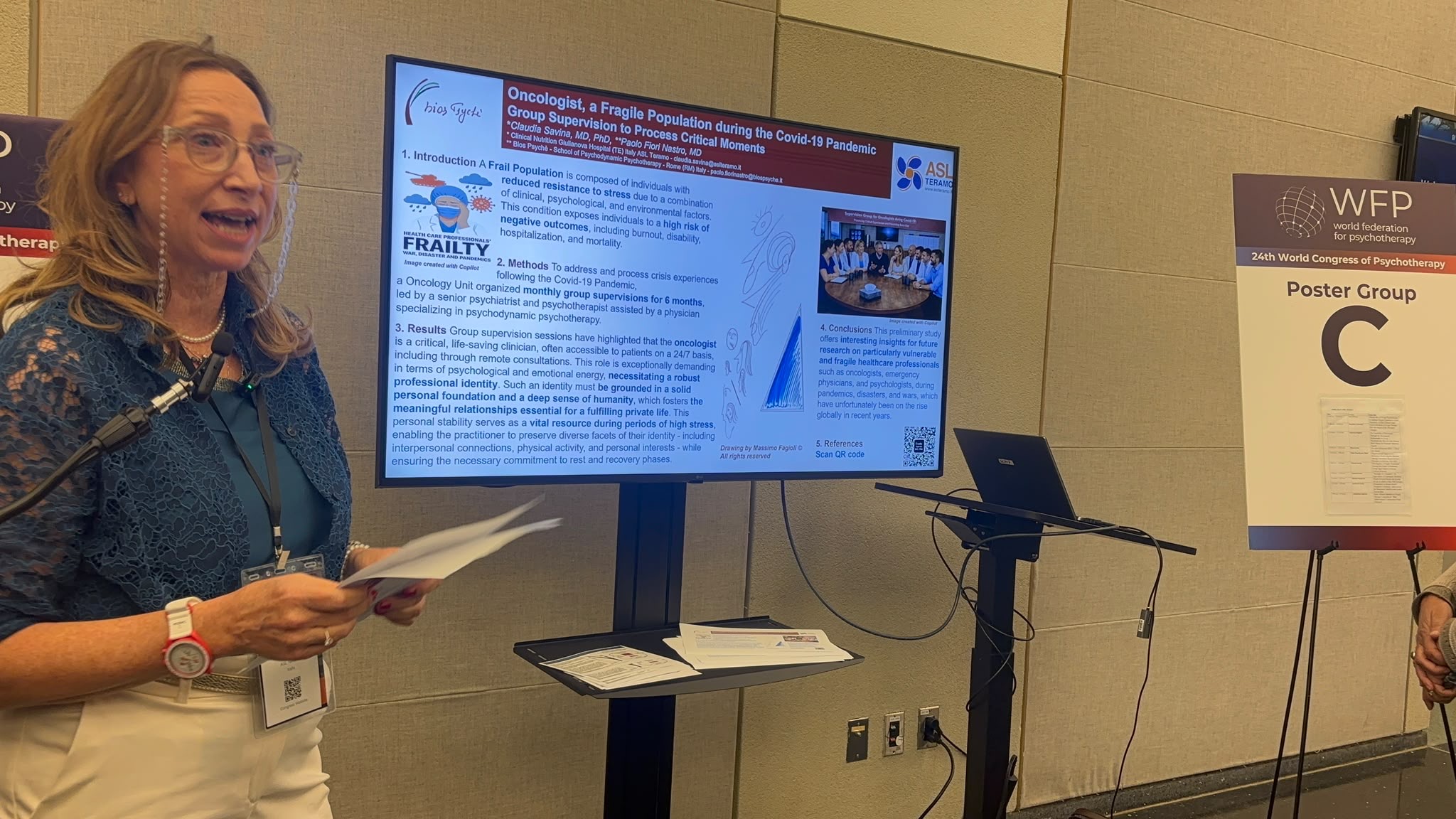
- Oncologists, a Fragile Population during the Covid-19 Pandemic: Group Supervision to Process Critical Moments – Claudia Savina, Paolo Fiori Nastro
- Relational Safety in Emergency Psychiatry: A Birth-Theory–Informed Model for Human-Rights–Based Care in Mobile Medical Services – Alessandro Albano
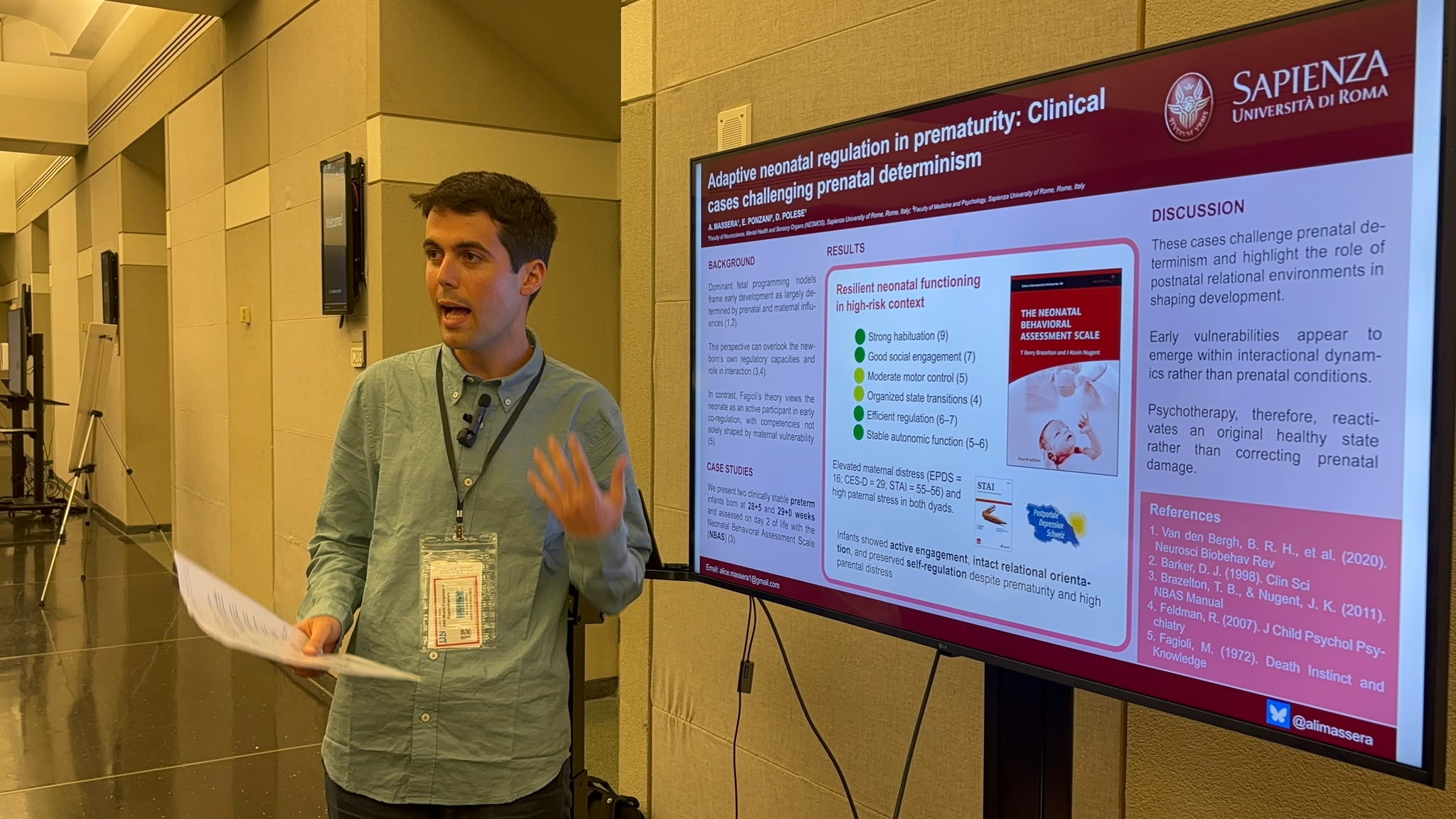
- Adaptive neonatal regulation in prematurity: Clinical cases challenging prenatal determinism – Alice Massera, Daniela Polese, Edoardo Ponzani
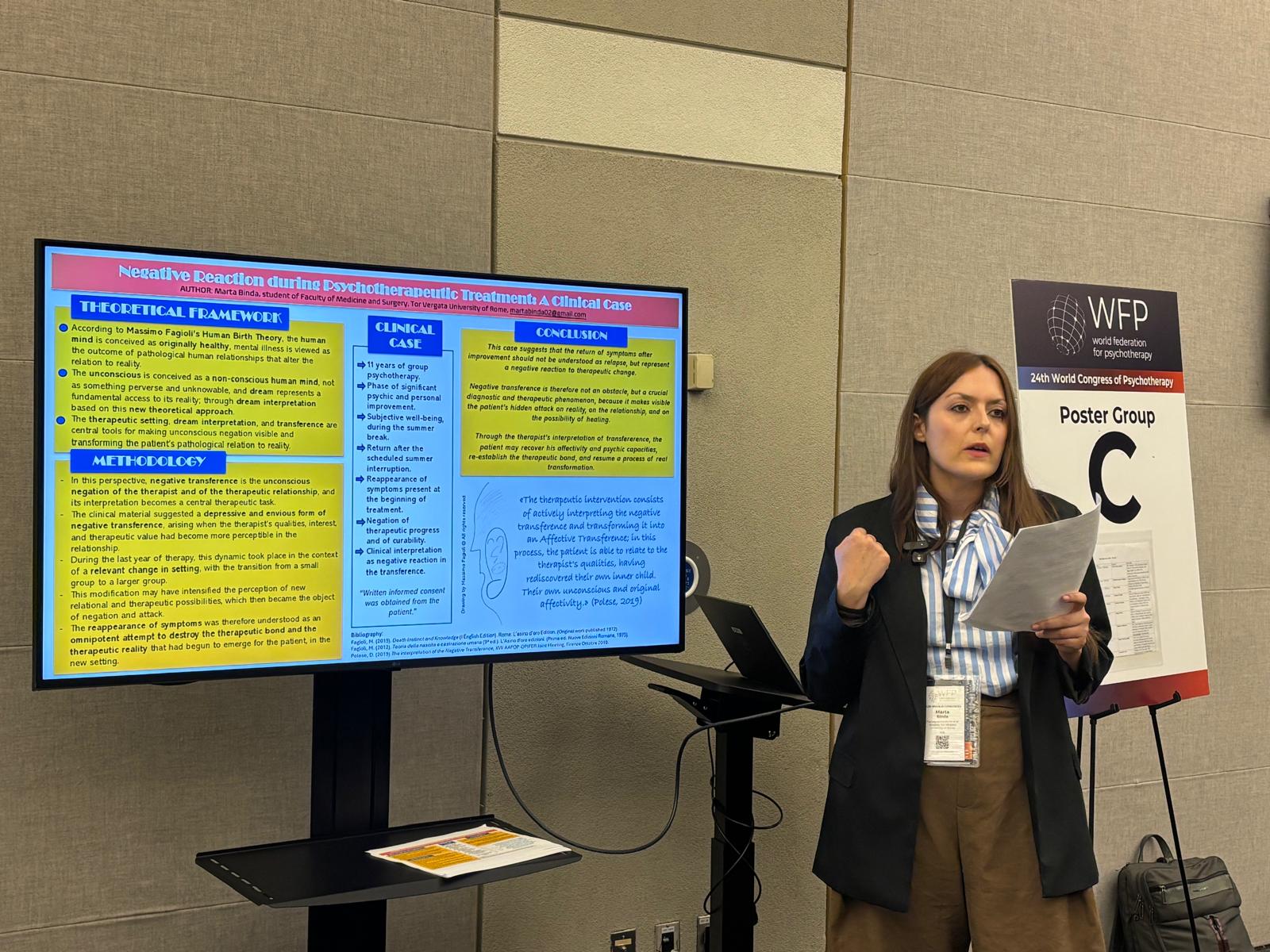
- Negative Reaction during Psychotherapeutic Treatment: A Clinical Case – Marta Binda
- Writing in the Therapeutic Relationship in Schizophrenic Patients with Non-Catatonic Mutism: A Clinical Case Report – Fabrizio Schirripa, Roberta Perciballi
- Perinatal Mental Health in Immigrant Women: Barriers, Opportunities, and the Role of Midwives – a Narrative Review – Irene Terenzi
- Doping in Adolescence. Body Image and Mental disorders: A Prevention Hypothesis – Gloria Arena
- Art for Therapy and Images Recreations in the Treatment of Depressive Wounds – Fabiana Yvonne Lugli, Francesca Franco
Programma completo del convegno
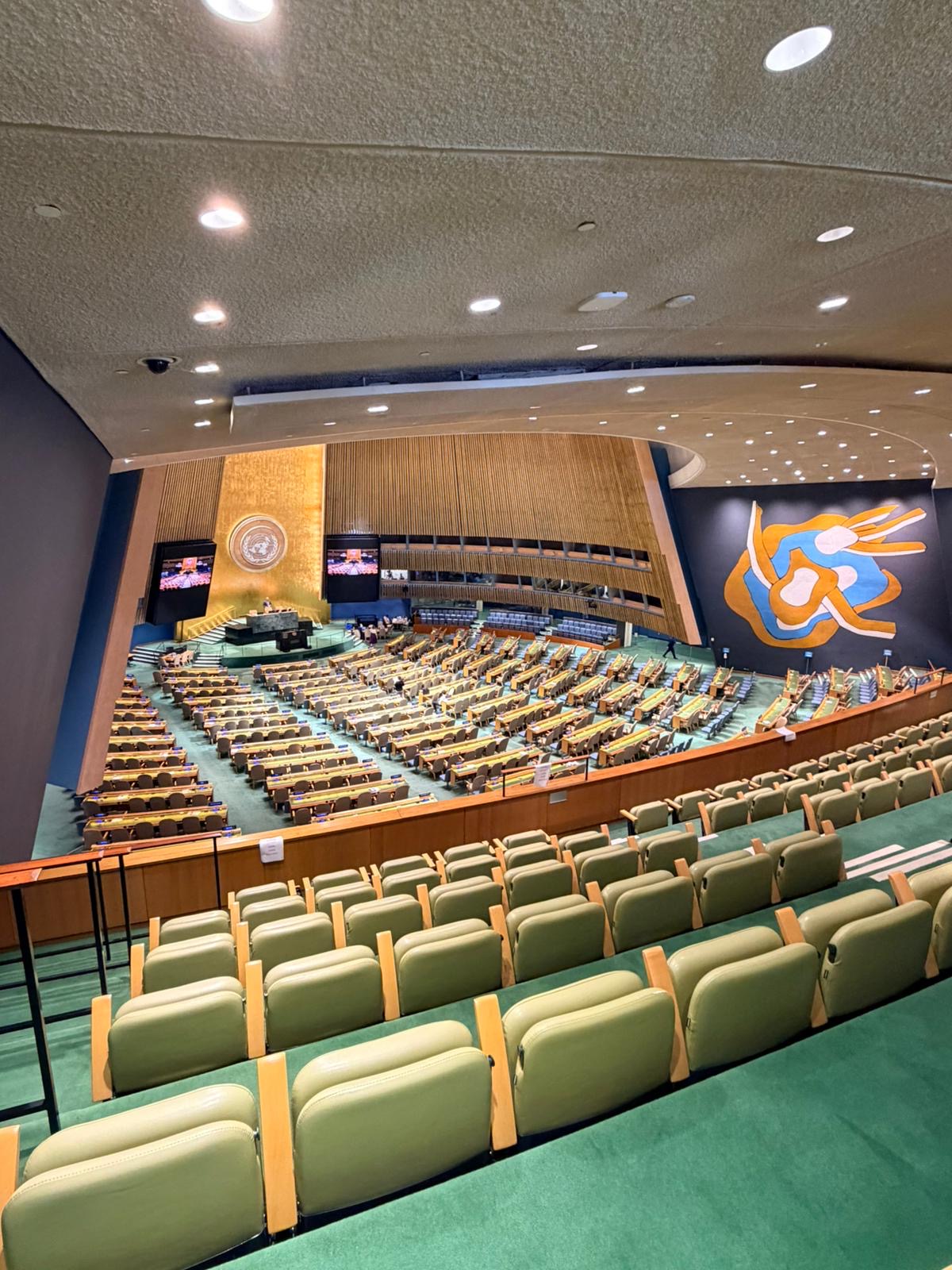
Durante la giornata del 4 giugno 2026 si sono svolte numerose sessioni Plenarie presso la sede delle Nazioni Unite. Le successive si sono tenute presso il CUNY Graduate Center. Informazioni più complete sono disponibili al sito del convegno.
Rassegna stampa
Menu
2025
Manila, 21-24 gennaio 2025
Simposio “The Human Birth Theory” al 51st PPA Annual Convention and WFP Regional Meeting “Biopsychosocial Advances in Evidence-Based Therapy in Psychiatry”
Contributi sulla teoria della nascita
- The Interpretation of Annulment Pulsion as a Basis for Treatment in Psychotherapy: Luca Giorgini, Petrucci Manuela, Raballo A, Gebhardt Eva
- Psychodynamic Psychotherapy of Borderline Personality Disorder: a Multi-Professional Approach According to the Human Birth Theory: Martina Moneglia, Cerboneschi A, De Donatis A., Orlini A., Sargenti L. Singer
- Human Birth Theory and Neurobiological Findings: Evidence on the Principle of Equality Between Humans as Basis for Curability in Psychotherapy for a Better Society: Daniela Polese
- From the Loss of Common Sense to the Disappearance Phantasy: Psychopathological Implications in Psychosis Treatment According to the Human Birth Theory: Alessandro Mazzetta
2024
Roma, 18-19 ottobre 2024
WFP Regional Congress “Psychotherapy, Creativity, and the Arts”
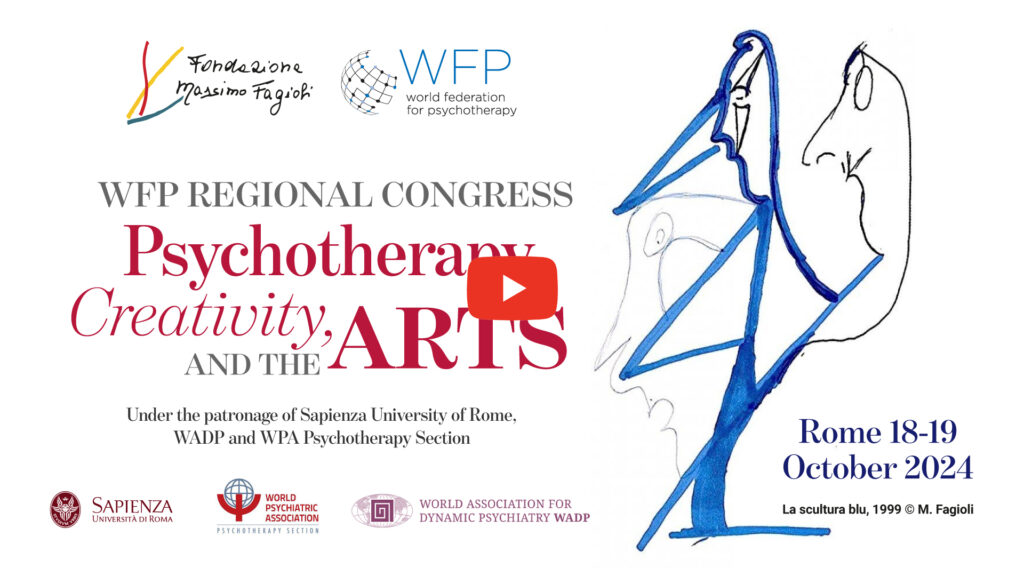
Questo evento è stato organizzato dalla Fondazione Massimo Fagioli. Scopri il progetto dal link sottostante.
New York, 2-4 maggio 2024
Simposio “Clinical application of human birth theory in changing times” all’interno del 67° Annual Meeting dell’ American Academy of Psychodynamic Psychiatry and Psychoanalysis “Changing times: sex, drugs and psychotherapy”
Contributi sulla Teoria della nascita
- The key concepts of Human Birth Theory: Elena Monducci e Daniela Polese
- Methodology of praxis in psychotherapy according to “Human Birth Theory”: Alice Dell’Erba con A. Contaldi, Francesco Fargnoli, Domenico Fargnoli ed Elena Pappagallo
- The Interpretation of Dreams according to the Human Birth Theory as the main therapeutic instrument: Alessandro Mazzetta con Francesca Fagioli, Alessandra Iovinella e Vanina Migliorini
- Description and Social Challenges: Martina Moneglia con Alessandra Carlotto, Anna Orlini e Andrea Masini
Marrakech, 16-20 aprile 2024
Simposio “Human Birth Theory, Clinical Applications and Social Implications” nel 20th International World Congress of the World Association for Dynamic Psychiatry “Social Challenges – Shared Responsibility in Psychiatry and Psychotherapy”
Contributi sulla teoria della nascita
- The Human Birth Theory and the Principle of Equality: Daniela Polese
- Psychodynamic Group Therapy Based on the Human Birth Theory; a Delphi Consensus Study on the Therapeutic Methodology: Giada Gallone, Martina Brandizzi
- The Interpretation of Dreams According to the Human Birth Theory as the Main Therapeutic Instrument: Alessandra Iovinella, Vanina Migliorini, Francesca Fagioli, Alessandro Mazzetta
- Group Psychotherapy, Description and Social Challenge: Martina Moneglia, Alessandra Carlotto
2022
Roma, 18-19 ottobre 2022
Convegno per i 50 anni di “Istinto di morte e conoscenza”
Questo evento è stato organizzato dalla Fondazione Massimo Fagioli. Scopri il progetto dal link sottostante.